
MIAI takes its fight for clean classroom air to the UN
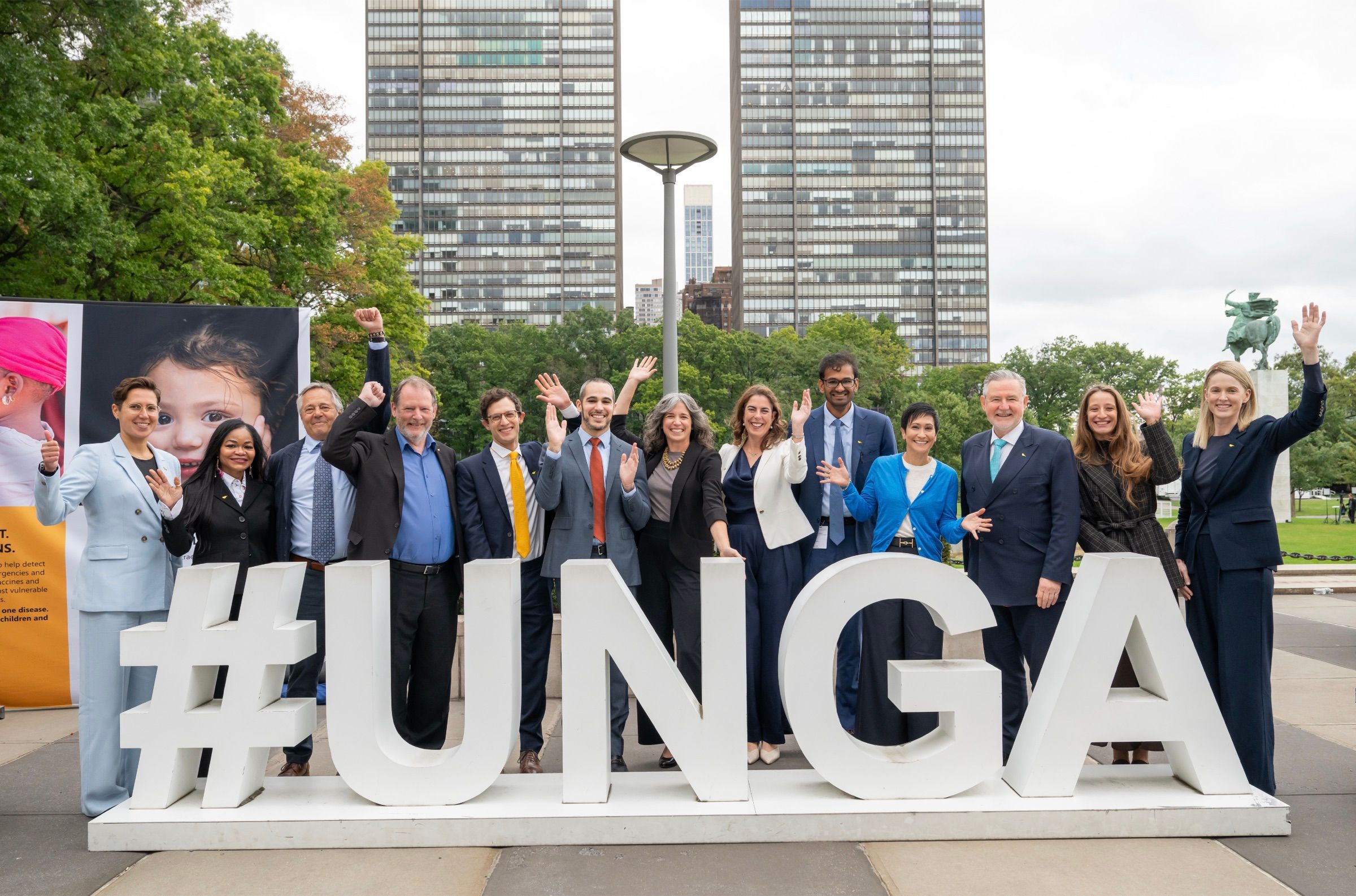
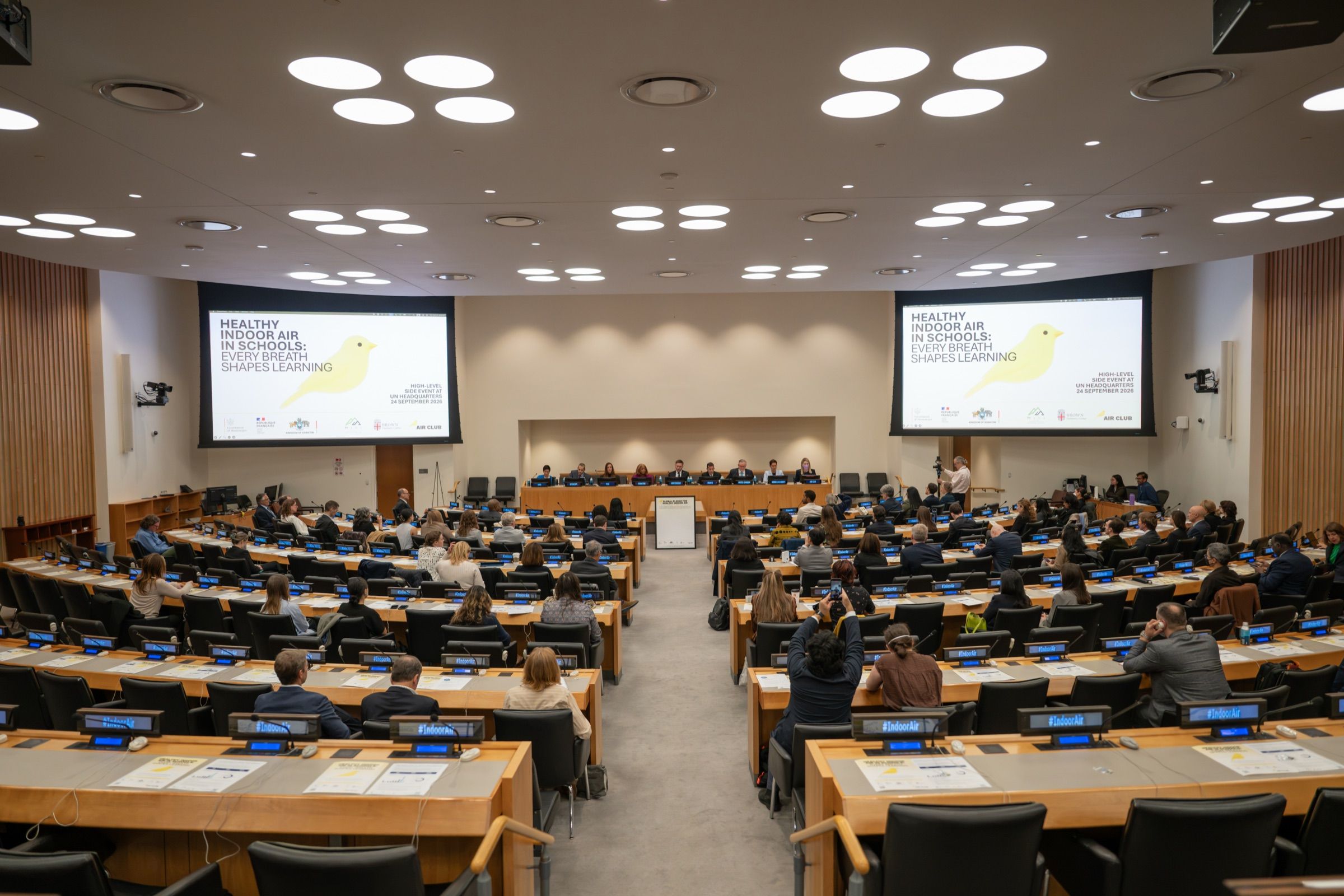
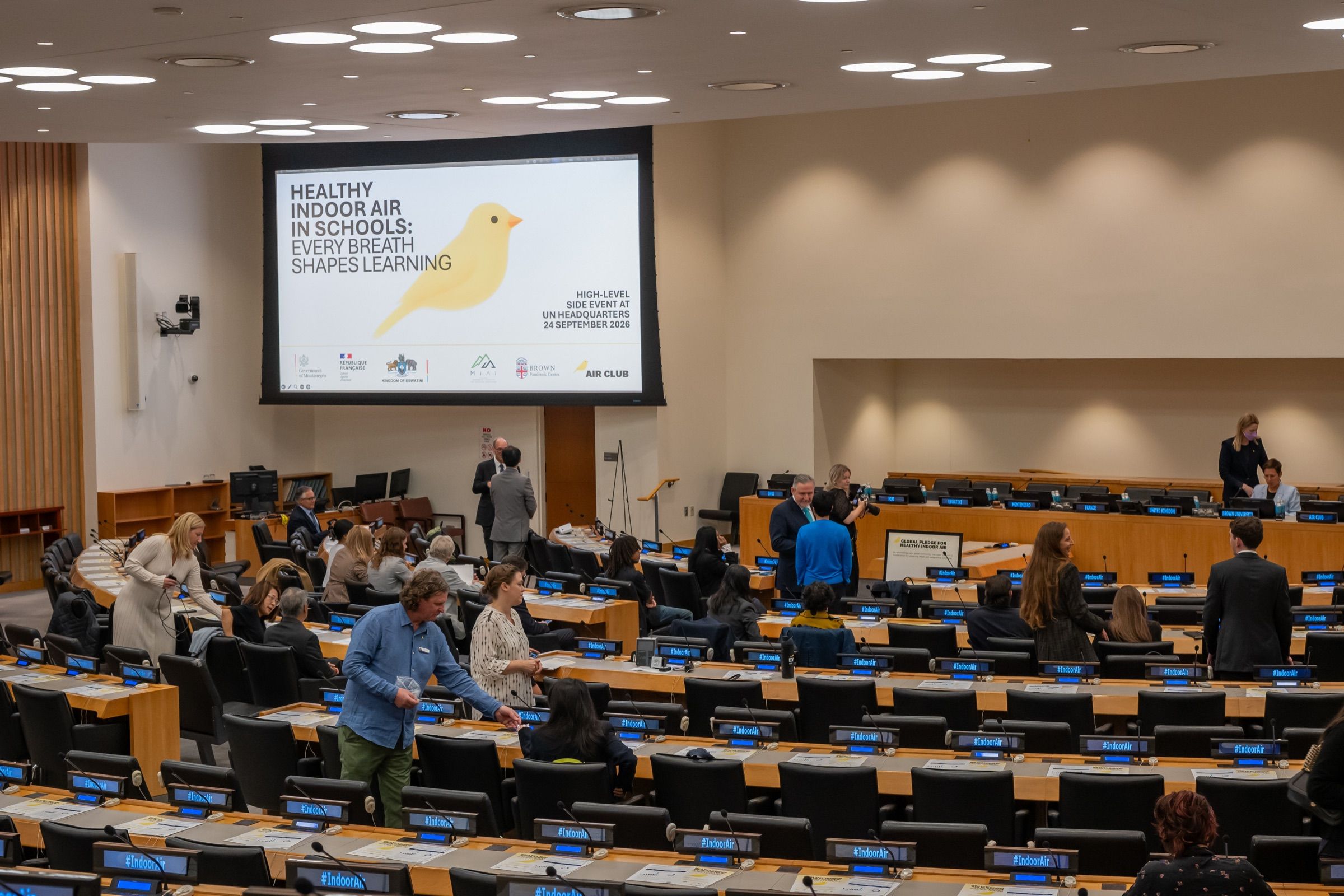
The event, Healthy Indoor Air in Schools: Every Breath Shapes Learning, was co-sponsored by the governments of Montenegro, France and Eswatini and organised by the Montenegrin Institute for Advanced Innovation (MIAI) with Air Club, an international coalition campaigning for healthy indoor air. It was held on the margins of the 81st session of the General Assembly, during Climate Week in New York City.
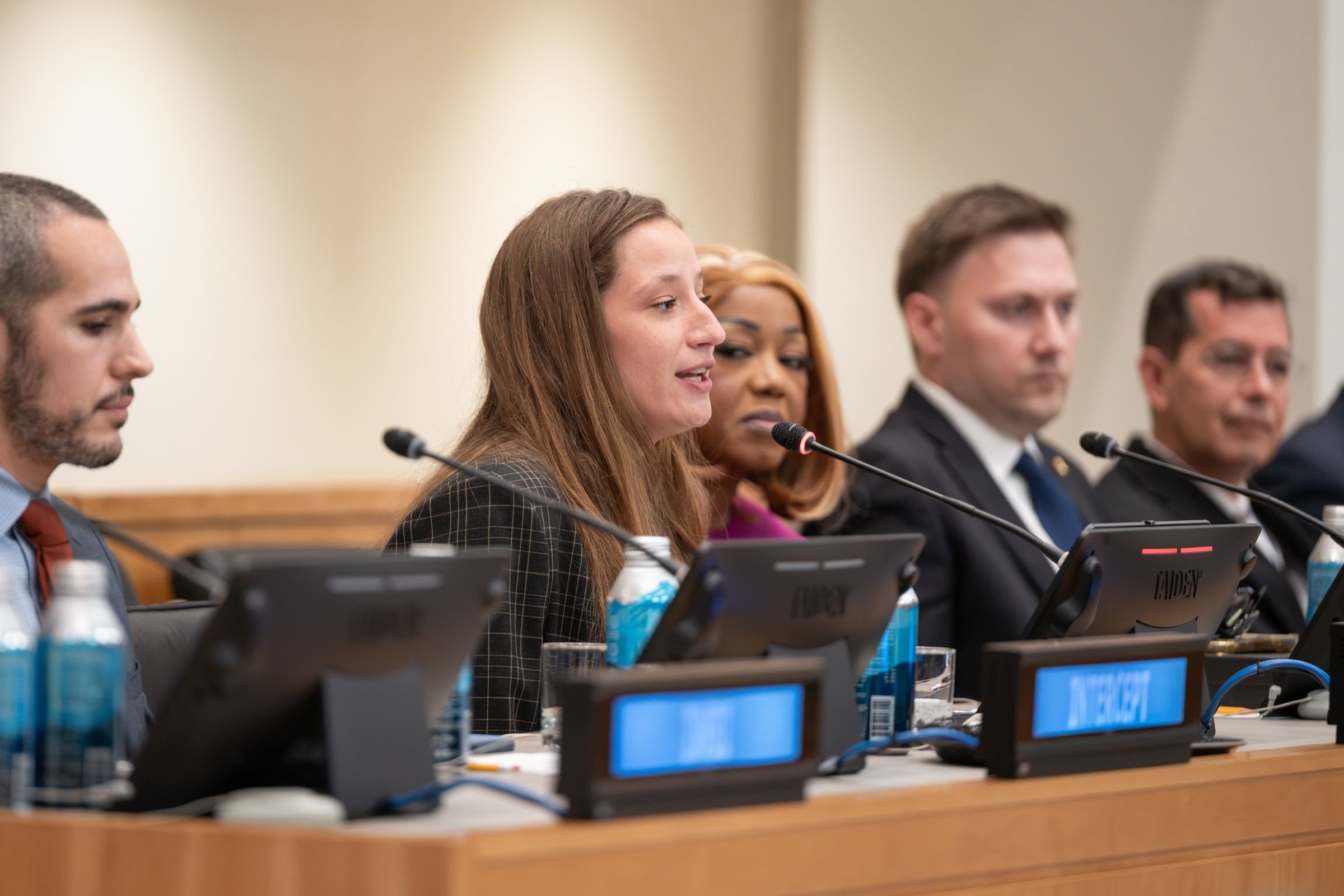
Dr Vojislav Šimun, Montenegro's Minister of Health, stated the problem is easy to ignore precisely because nobody can see it. “Polluted air in our schools is not visible, but its consequences are,” he said. “It affects children's health, their concentration, their attendance, their development and, ultimately, their ability to learn.”
One comparison stood out. Barry Gardiner, the Labour MP for Brent West and a member of the UK Parliament's Environmental Audit Select Committee, told the room that a person drinks about two litres of water a day but breathes in roughly 11,000 litres of air. Water unfit to drink would never be given to pupils, he said, yet the air inside most schools is still neither monitored nor treated with anything like the same care.
From Pljevlja to every classroom
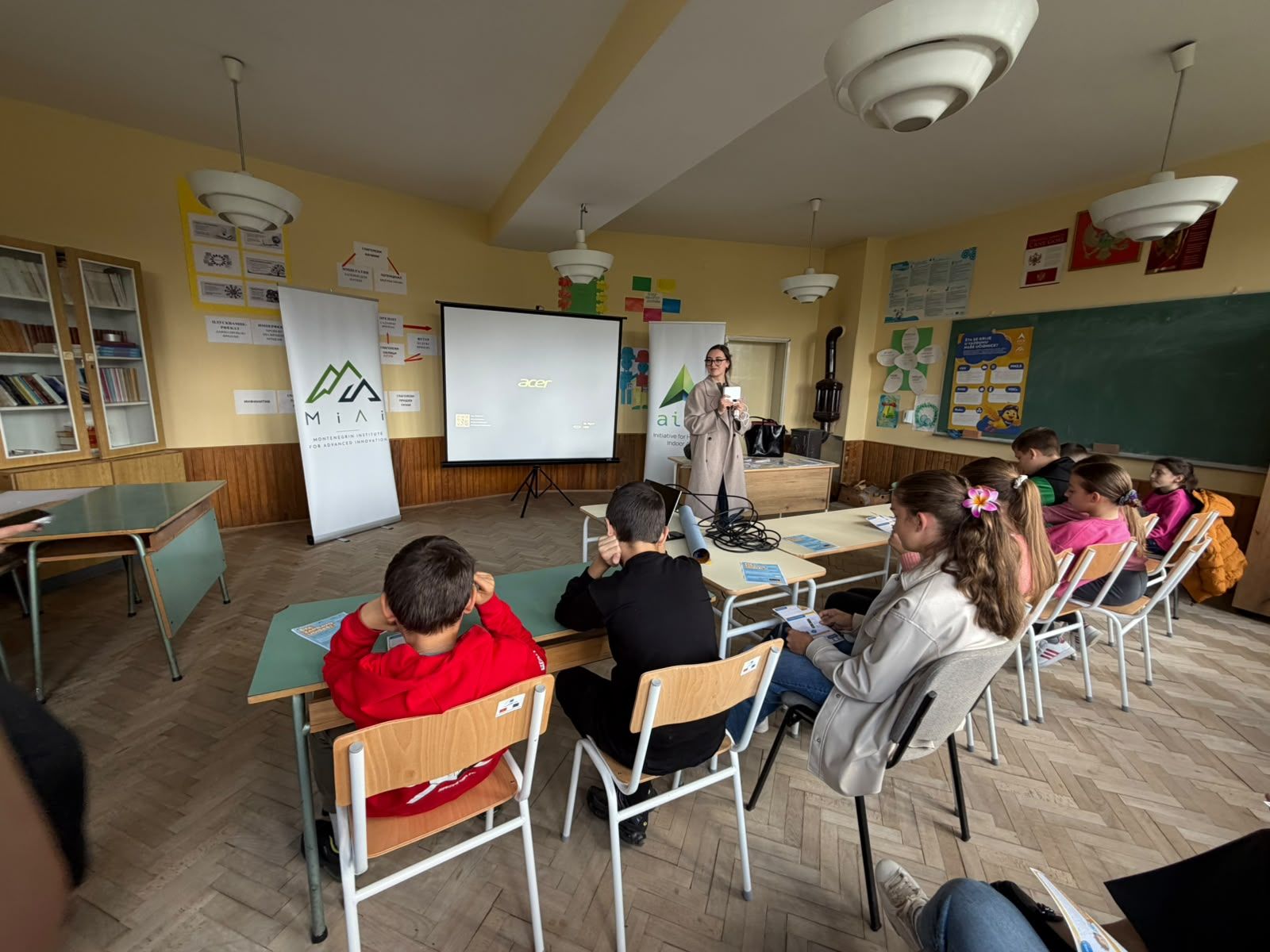
Montenegro came with a programme of its own to show. Aira, MIAI's flagship initiative, aims to put air-quality monitors in every classroom in the country by 2032, with air cleaners fitted wherever the readings show they are needed. It began this year in Pljevlja, in the north of the country, where the annual average for fine particulate pollution, PM2.5, stands at 42 micrograms per cubic metre. The World Health Organization's guideline is five.
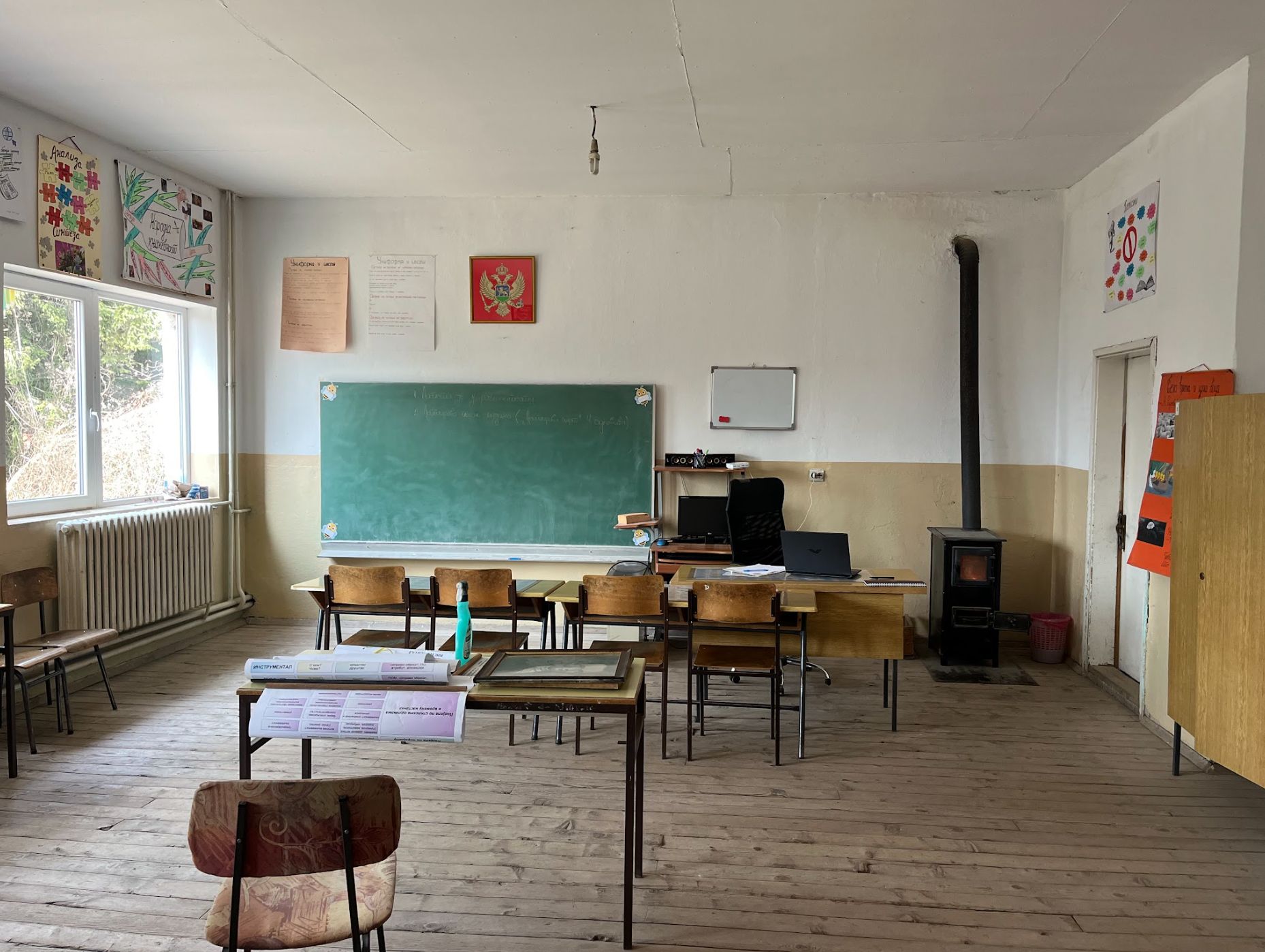
The first readings from the pilot schools have already made the point. In one Pljevlja classroom, carbon dioxide passed 4,000 parts per million during lessons, four times the 1,000ppm reference level for a healthy teaching space. The cause was simply a lack of ventilation.
“Polluted air in our schools is not visible, but its consequences are”
Comparative monitoring is planned in schools in Pljevlja, Tivat and Žabljak and will be extended into 40 households, while the program's classroom teaching also reaches Bijelo Polje. At the same time, local engineers are taking open-source monitoring technology transferred from AirGradient and turning it into a certified, Montenegrin-made device.
From September 2027 the monitors are due to go into every school in Pljevlja, with air cleaners following a year later. The programme will then expand municipality by municipality until every school is covered. The data is intended to feed a national health study and a policy proposal setting Montenegro's first indoor air quality standards.
“Montenegro is providing a blueprint for how to build a national program to monitor and clean the indoor air children in schools are breathing,” said Marina Mijušković, MIAI's executive director. “We built it on open-source technology precisely so that any country can adapt and adopt it for their own.”
Šimun said it mattered to Montenegro, whose constitution defines it as an ecological state, that such commitments became policies with a direct effect on people's health. “Last year we sent a clear message that healthy indoor air must become a global priority,” he said. “Today we are going a step further. Recognising the problem has to be followed by action.”
Eswatini signs up
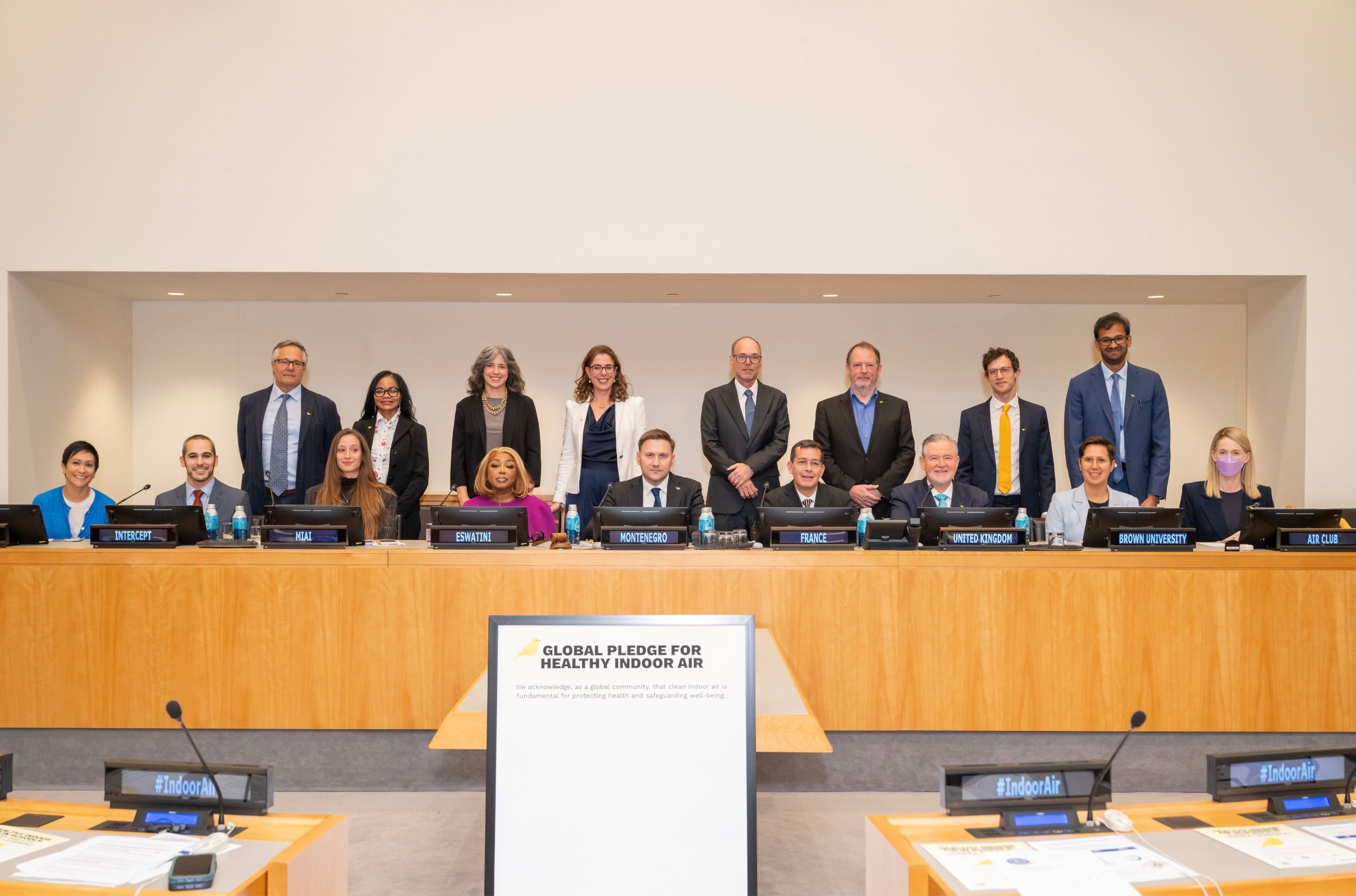
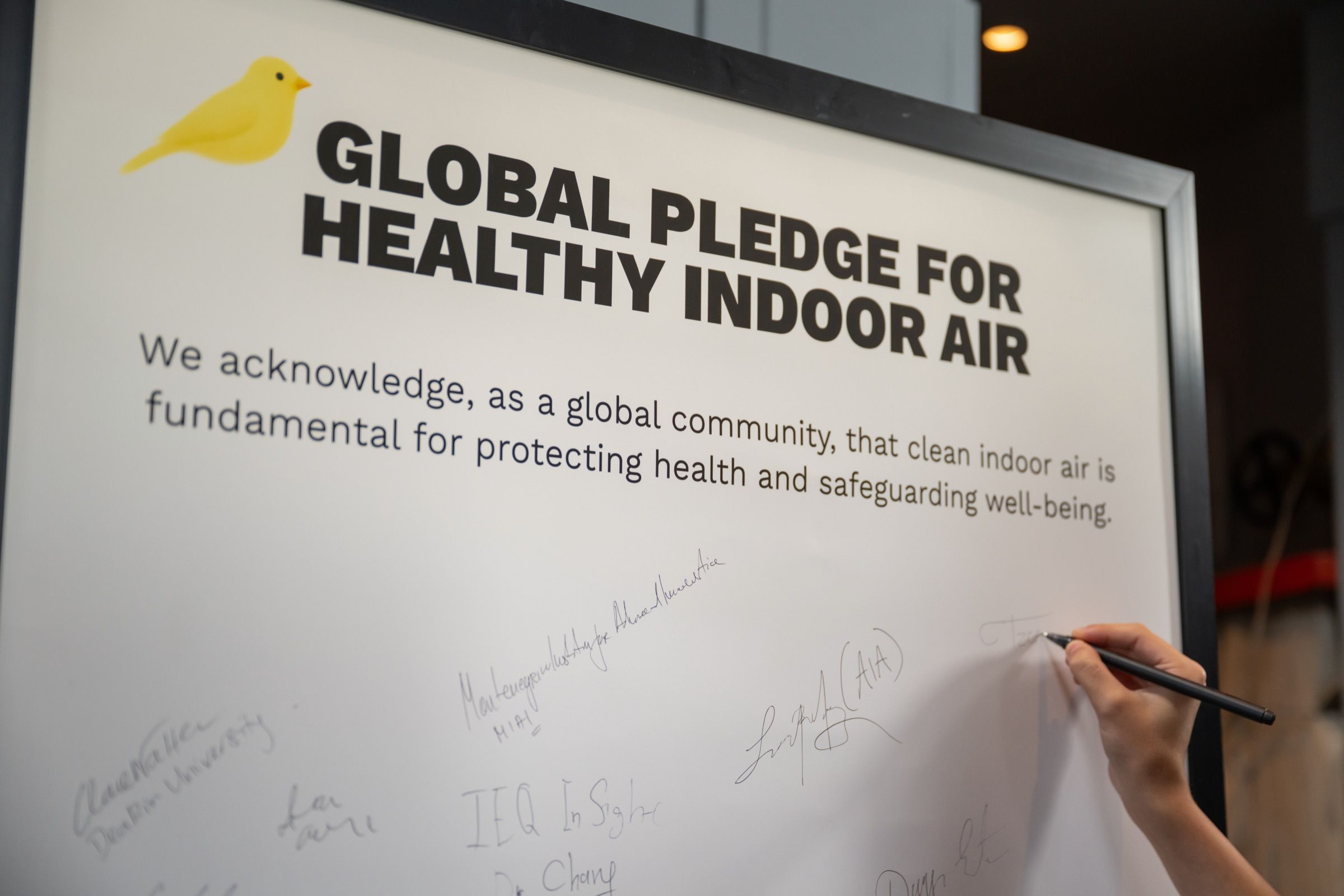
Eswatini used the event to become the next government to sign the Global Pledge for Healthy Indoor Air, joining France, Montenegro and the cities of Boston and Melbourne. Senator Savannah Maziya, the kingdom's minister of information, communications and technology, signed on its behalf and stated:
“Quality air is a human right. Quality air is not negotiable, and technology will be a critical part of the solution,” she said. “We are committing to our children, we are committing to our future, but most importantly, we are committing to the future of the world.”
The pledge was launched a year ago at the first UN side event devoted to indoor air, which drew more than 300 people. It is not binding, but it asks signatories to report back on their progress. Global Pledge lists 298 signatories from more than 55 countries.
Gardiner also urged decision-makers not to leave healthy air as a subject for expert debate but to turn it into concrete public policy. He congratulated Montenegro and France on starting the initiative and welcomed Eswatini's decision to join.
They were joined by scientists, school leaders and funders from the United States, Australia and New Zealand, along with the founder of AirGradient, whose open-source monitors underpin Aira. The full list of speakers appears at the end of this article.
A first map of the rules
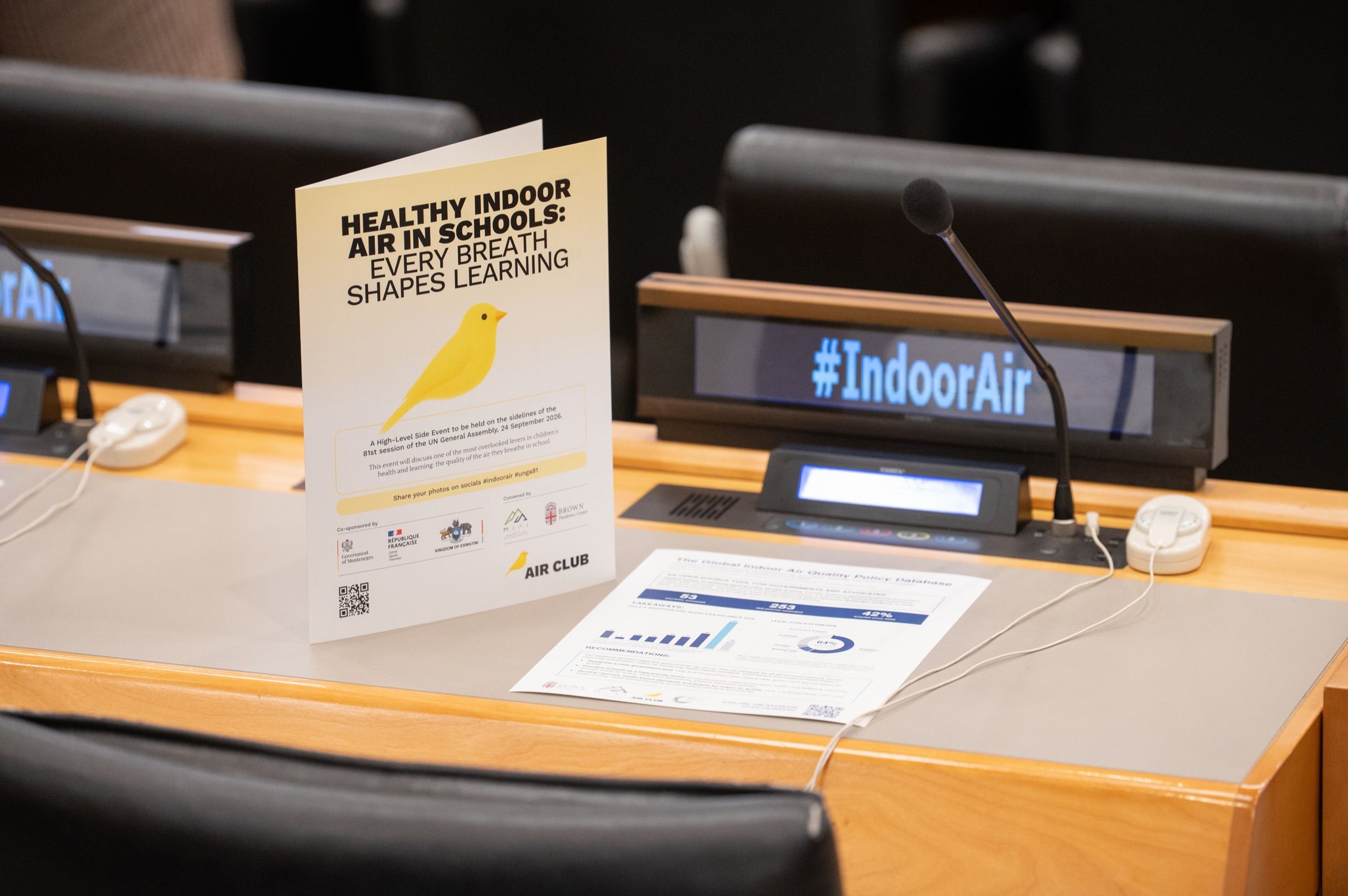
The same day, Brown University's Pandemic Center and Air Club released the Global Indoor Air Quality Policy Database, developed with support from MIAI and Balvi and launched with the International WELL Building Institute. It catalogues 253 policies across 53 countries and finds that only eight of those countries have a single government body clearly in charge of indoor air.
Almost two thirds of the policies are legally binding, but most sit within workplace safety law, building codes and energy rules, where indoor air gets little more than a passing mention. Only 25 of the 253 deal with schools or other places of education.
“This database is a starting point, not a finish line,” said Dr Georgia Lagoudas, a co-founder of Air Club and senior fellow at the Pandemic Center. “Just as the world came together to secure clean water and clean outdoor air, we now have the chance to track indoor air, hold ourselves accountable, and make measurable progress on the air we breathe inside, where we spend 90% of our lives.”
What comes next
For Montenegro the stakes are high. Air pollution is linked to about 1,200 premature deaths a year in the country, according to its Institute of Public Health, and the World Bank has put the annual health cost of outdoor fine particulate pollution at about $277 million, or 6.63 per cent of GDP. Radon is a further worry: of 392 schools tested, 188 recorded levels above 300 becquerels per cubic metre in at least one room.
“When we improve the air in a classroom, we do more than improve a building,” Šimun told the audience. “We protect a child’s health. We strengthen their ability to learn. And we shape the future they are able to build.”
Who spoke
- Dr Vojislav Šimun
- Minister of Health of Montenegro
- Senator Savannah Maziya
- Minister of Information, Communications and Technology of Eswatini
- Jérôme Weinbach
- Deputy Delegate for European and International Affairs, French Ministry of Health
- Barry Gardiner MP
- Member of Parliament of the United Kingdom
- Marina Mijušković
- Executive Director, Montenegrin Institute for Advanced Innovation
- Skandan Ananthasekar
- Visiting Fellow, Pandemic Center, Brown University School of Public Health
- David Carel
- Director of the Inspired Air Fund, Renaissance Philanthropy
- Anisa Heming
- Director of the Center for Green Schools, U.S. Green Building Council
- Achim Haug
- CEO and Founder, AirGradient
- Professor Mark Hernandez
- University of Colorado Boulder
- Rachel Hodgdon
- President and CEO, International WELL Building Institute
- Dr Ian Longley
- Director, The Air Quality Collective
- Trena Marsal
- Chief of Operations, Denver Public Schools
- Jason Mazzella
- Air Cleaning Technologies, Intercept Fund
- Dr Clare Walter
- Coordinator, Sustainable Health and Environment Network, Deakin University, Australia
Moderators
- Dr Bronwyn King
- Co-Founder, Air Club
- Dr Georgia Lagoudas
- Co-Founder, Air Club, and Senior Fellow, Brown University