
03 — 07
Scientific & Academic Development
SAD turns what aira measures into science, connecting classroom monitors to researchers, universities and the policies that can act on the data.
SAD
SAD is aira's connection to the scientific community. It turns field data from pilot schools into peer-reviewed research, supports proposals for legal and policy reform, and builds the academic partnerships that test aira's work against international standards. The result is evidence that other institutions, policymakers and countries can trust, not just numbers aira collects for itself.
What We Do, Step by Step
SAD follows aira's data from the classroom monitor to published research, and builds the partnerships that carry it there. A Strategy on Scientific and Academic Development guides the work, researchers are recruited and matched to each strand of the programme, and progress is reviewed twice a month so that research developed in Montenegro is checked against international method before it is published.
- Strategy
Setting the Direction
Before the research begins, SAD sets out how it will be done. The Strategy on Scientific and Academic Development, developed over the pilot's first months, maps out which studies to run, which institutions to involve, and how legal, policy and research work will be coordinated. It is built alongside the recruitment of researchers and the first conversations with academic partners, so that by the time data collection is underway, the people and the plan are both in place.

- Research
From Classroom Data to Published Evidence
Monitoring data from pilot schools becomes two local research reports - one on indoor air quality in Montenegrin educational institutions, one on the development of the IAQ monitoring devices themselves - alongside international scientific research led by air-quality data researchers working with Lidia Morawska's team. Each report is reviewed by local and international experts together, so a result is not published in Montenegro and simply hoped to hold up elsewhere.

- Master's Theses
Training the Next Generation
Four master's thesis topics are identified and developed alongside the research programme, each one matched to a relevant academic advisor. Students meet their advisors monthly to review progress, so the theses grow out of real aira data rather than a separate academic exercise, and the researchers trained through them become part of Montenegro's own capacity for air-quality science.
Law, Technology and Policy
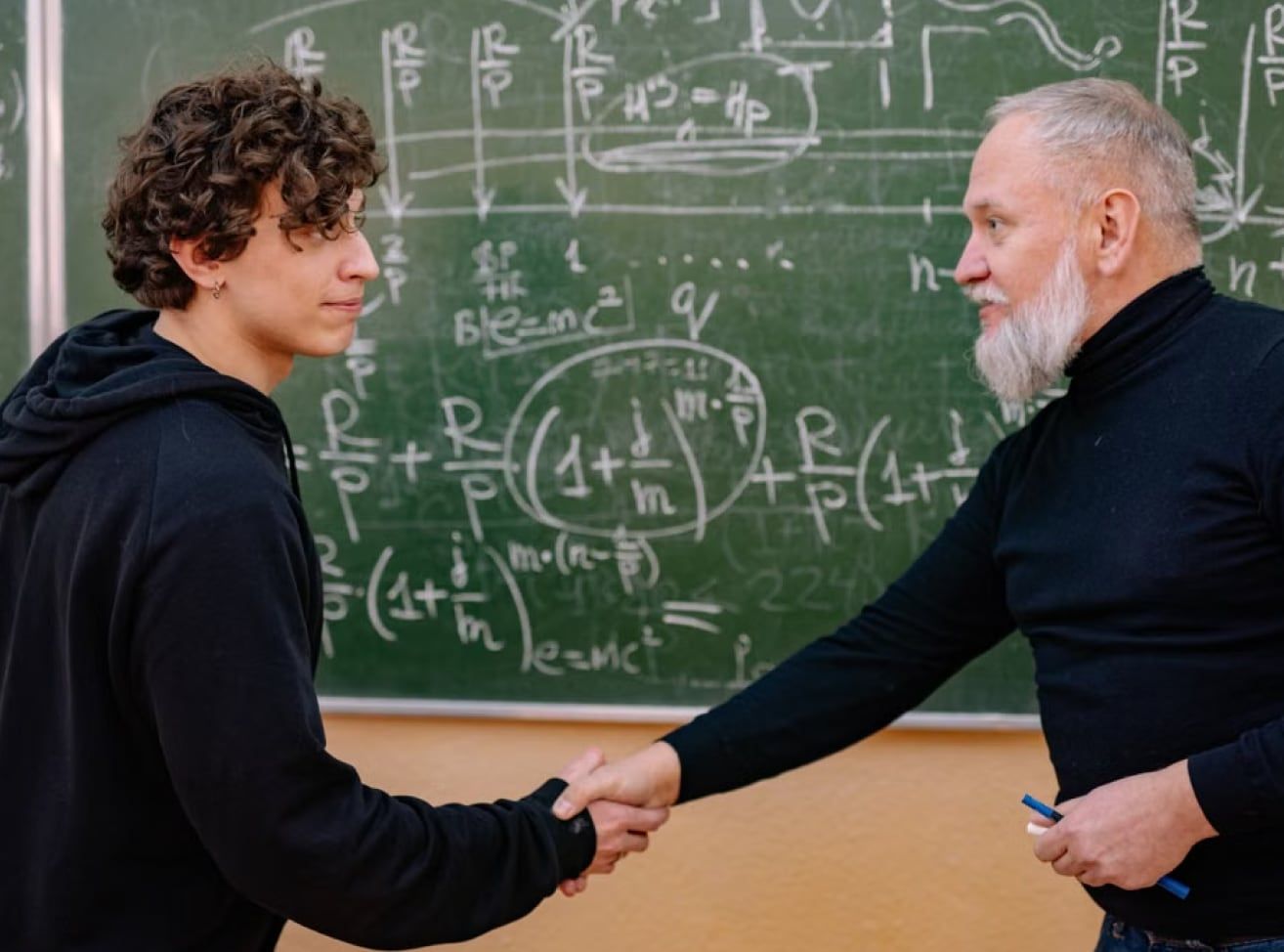
SAD's work goes beyond published science. Legal advisors examine how aira's data and devices intersect with cryptography and blockchain, looking for real, practical use cases rather than speculative ones, while a parallel line of work analyses the technical and regulatory questions raised by using artificial intelligence within the initiative. Both strands report back monthly, so legal and policy thinking develops at the same pace as the research itself.

The Foundation
Built With Local and International Experts
SAD is led by Marina Mijušković, with research guided by Rafat Alam - part of Lidia Morawska's team - and Georgia Lagoudas, who also advises on BOOK. Marina Markežić, Tomas Nagele and Andre Aztec advise on the legal and regulatory questions raised by blockchain within aira. Local research is carried out with the University of Montenegro and the University of Donja Gorica, and the programme draws on cooperation with Brown University, the World Health Organization, the United Nations Development Programme, and many more.
International research experts
Local academic
partnersGlobal health & development bodies
Blockchain legal
advisors
Where we're headed
From strategy to a full scientific study
First milestones, Dec 2026
The Strategy on Scientific and Academic Development finalised, four months of monitoring data analysed, local research reports complete and four master's thesis drafts underway.
Pilot study, Aug 2027
Final thesis drafts, and a full scientific study built on nine months of pilot monitoring data.
Into the handbook
Like every other workstream, SAD's findings feed into aira's growing handbook for schools everywhere.

Community-driven by design, evidence-based in practice, and structured for any country to replicate.
And a community to carry it - proven first in Pljevlja, documented in a handbook any country can adopt.