04 — 07
Policy, Regulations & Standards Development
PRSD turns aira's evidence into the standards and laws that keep indoor air healthy for the long term.
PRSD
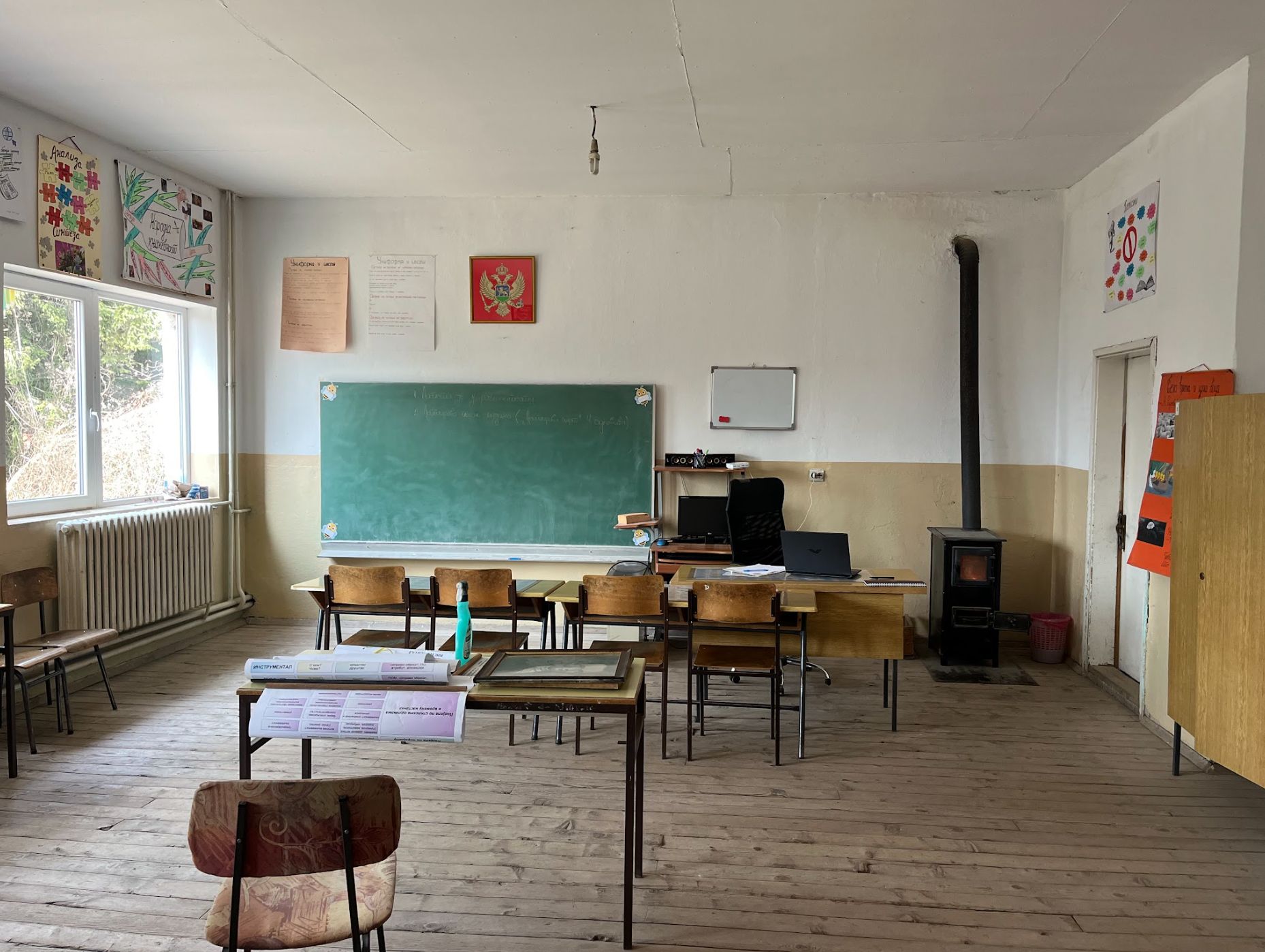
Montenegro has measured its outdoor air to EU standards since 2009, yet nothing equivalent exists for the air inside its classrooms. There is no national operational standard for indoor air quality in schools and public buildings, and no public database of indoor measurements to build one on. PRSD makes sure aira's technical and educational work is matched by a solid regulatory foundation, moving indoor air quality from an isolated technical concern to a matter of institutional and public accountability.
From Research to Regulation, Step by Step
PRSD starts by understanding the rules that already exist, and builds from there toward a concrete legal proposal grounded in Montenegrin data.
- Mapping the Landscape
A Database of Regulations
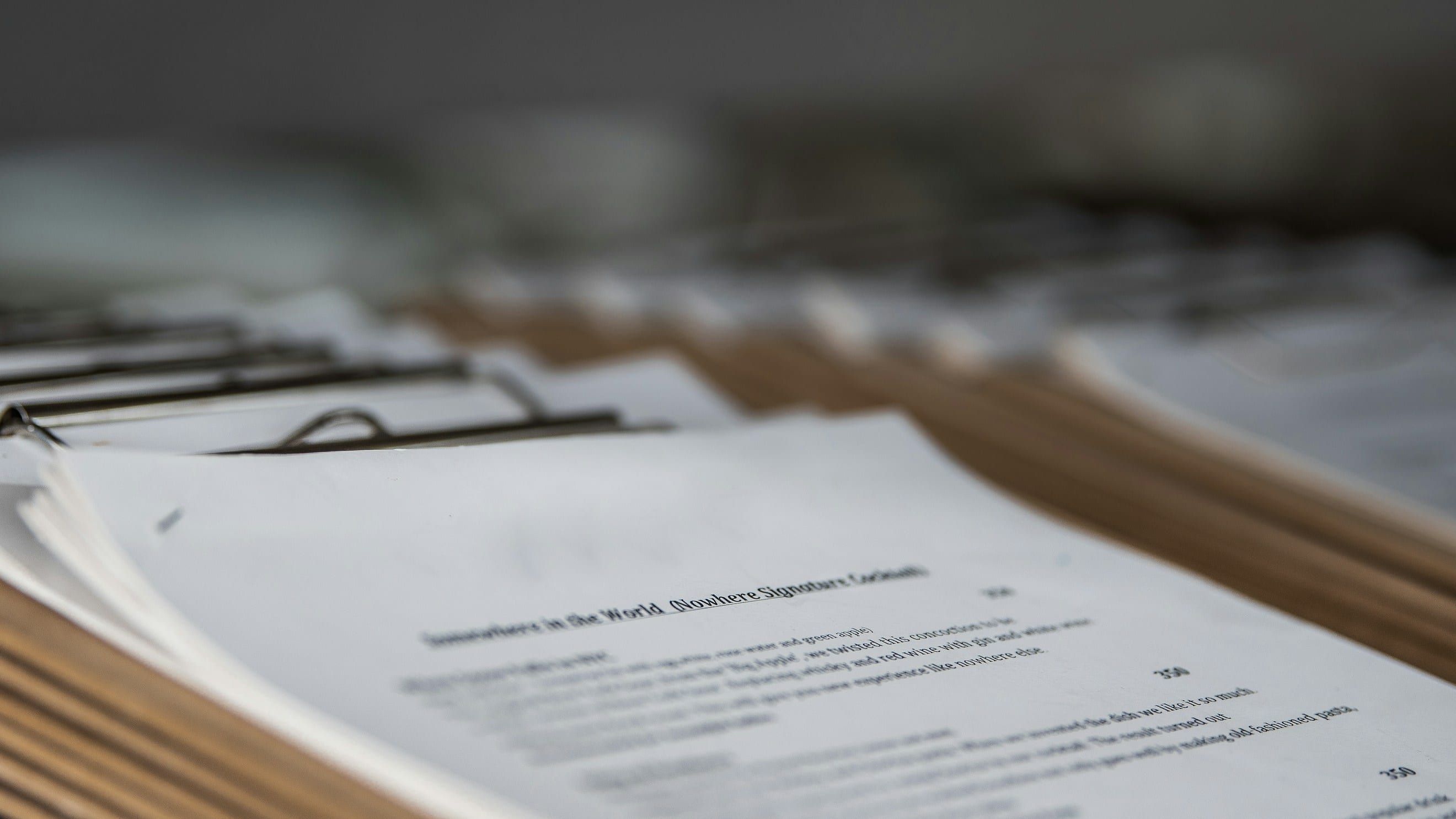
PRSD maps existing indoor air regulations and strategies in Montenegro, across the EU and worldwide, and gathers them into a single database, developed as a joint publication with Brown University.

- Setting the Direction
A Standards Strategy
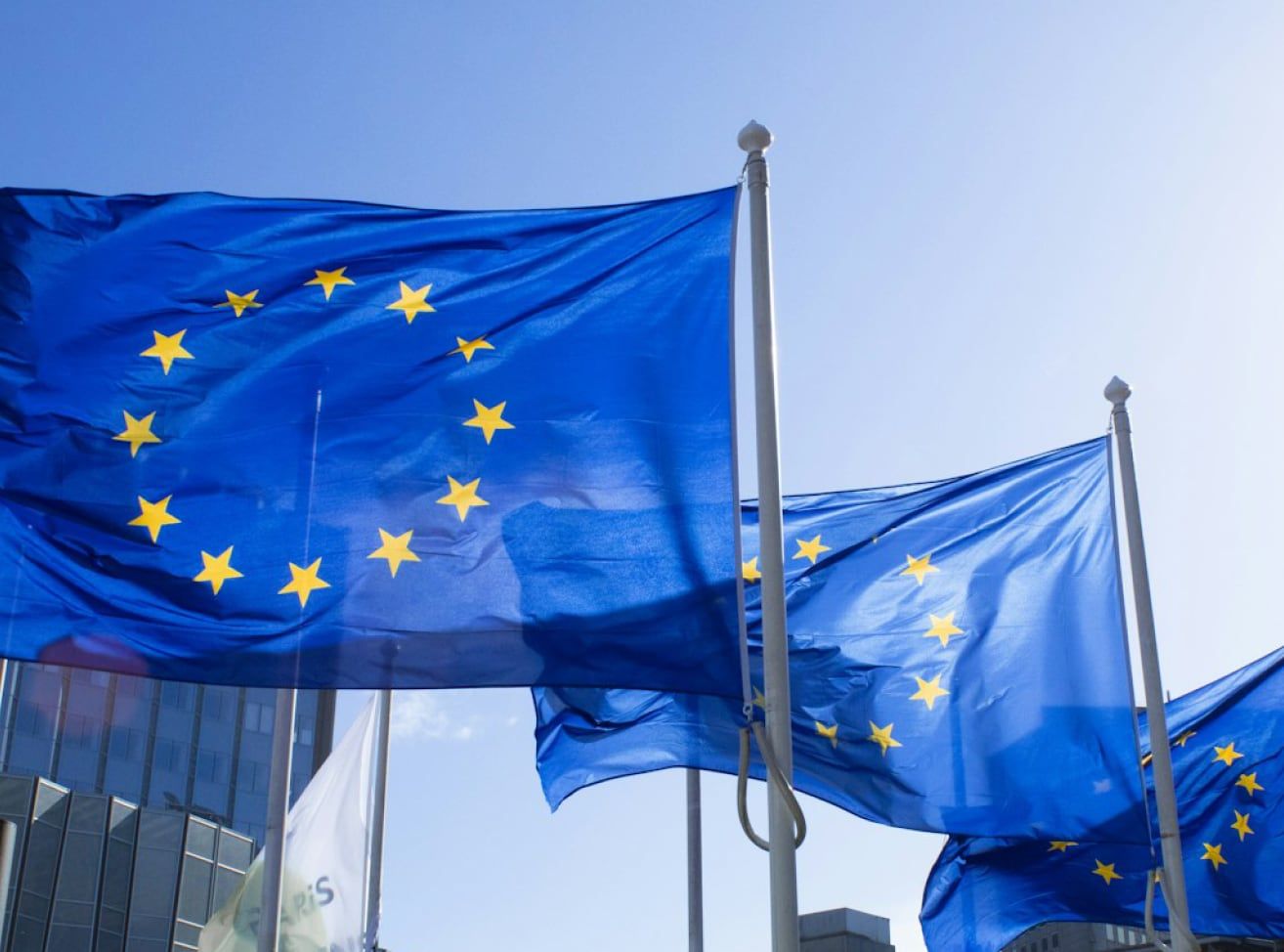
From that mapping comes the Policy, Regulations & Standards Development strategy: policy recommendations and technical standards for healthy indoor air in schools and beyond, tailored to different countries and systems. Guidance on CO2, PM2.5 and ventilation benchmarks keeps the work aligned with the WHO Global Air Quality Guidelines (2021) and with Directive (EU) 2024/2881 on ambient air quality and cleaner air for Europe.
- Grounded in Evidence
The Pilot's Own Data
Findings from aira's pilot research are built into the draft as they arrive, including matched school and home data from 40 participating households. That household evidence lets the recommendations speak to residential indoor air too, supporting healthier homes alongside healthier schools.

- From Evidence to Law
A Draft Legal Proposal
The work culminates in a draft legal proposal on indoor air quality standards, built on the pilot's own data, for a country where no framework for indoor air yet exists.

Working With Government
PRSD engages the relevant ministries and positions aira as an advisor to governments and high-level institutions on indoor air quality policy, from implementation priorities and institutional positioning to the sequencing of key activities. The ground is already moving. The Government of Montenegro published information papers on improving indoor air quality in 2025 and 2026, co-sponsored the UN side event "Healthy Indoor Air: A Global Call to Action" at the 80th UN General Assembly, and in 2026 joined France and Eswatini in co-sponsoring the MIAI-organised UNGA side event "Healthy Indoor Air in Schools: Every Breath Shapes Learning".

The Foundation
Built With Policy and Legal Experts
PRSD brings together international senior advisors on strategy, policy and international positioning, Dr Georgia Lagoudas and Skandan Ananthasekar, with air-quality science and policy expert Prof. Lidia Morawska. Legal and regulatory advice on the national framework and EU alignment comes from the law faculties of the University of Montenegro and the University of Donja Gorica, with legal counsel from JMV Law Office, and government engagement is led by Institutional Engagement Lead Blake Margason.
International senior advisors
Air-quality science & policy
Law faculties & legal counsel
Government engagement
Where we're headed
From evidence to a national framework
Database & strategy
The regulations database and standards strategy in place by the end of the pilot in August 2027.
A draft legal proposal
A draft legal proposal on indoor air quality standards, built on the pilot's own data, for a country with no framework yet.
A framework to adapt
With air quality part of Chapter 27 of Montenegro's EU accession, a framework Montenegro can adopt and other countries can adapt.


Community-driven by design, evidence-based in practice, and structured for any country to replicate.
And a community to carry it - proven first in Pljevlja, documented in a handbook any country can adopt.