06 — 07
Handbook, Documentation & Knowledge Base
BOOK writes down every step of aira, building the complete guide to bringing clean air into schools.
BOOK
BOOK is aira's memory. It records how the initiative is carried out across every workstream: what was tested, what worked, what failed, what it cost, and which infrastructure challenges came up. The result is a practical handbook that any region or country can follow to build its own school air-quality programme.
What We Document, Step by Step
BOOK follows the programme from the first school visit to the last installation, and turns each step into guidance the next school can use. Every workstream feeds the handbook continuously, with regular cross-reviews between local and international experts, and one consistent method is used town by town so that results can be compared across the country.
- Assessment
Knowing Every School
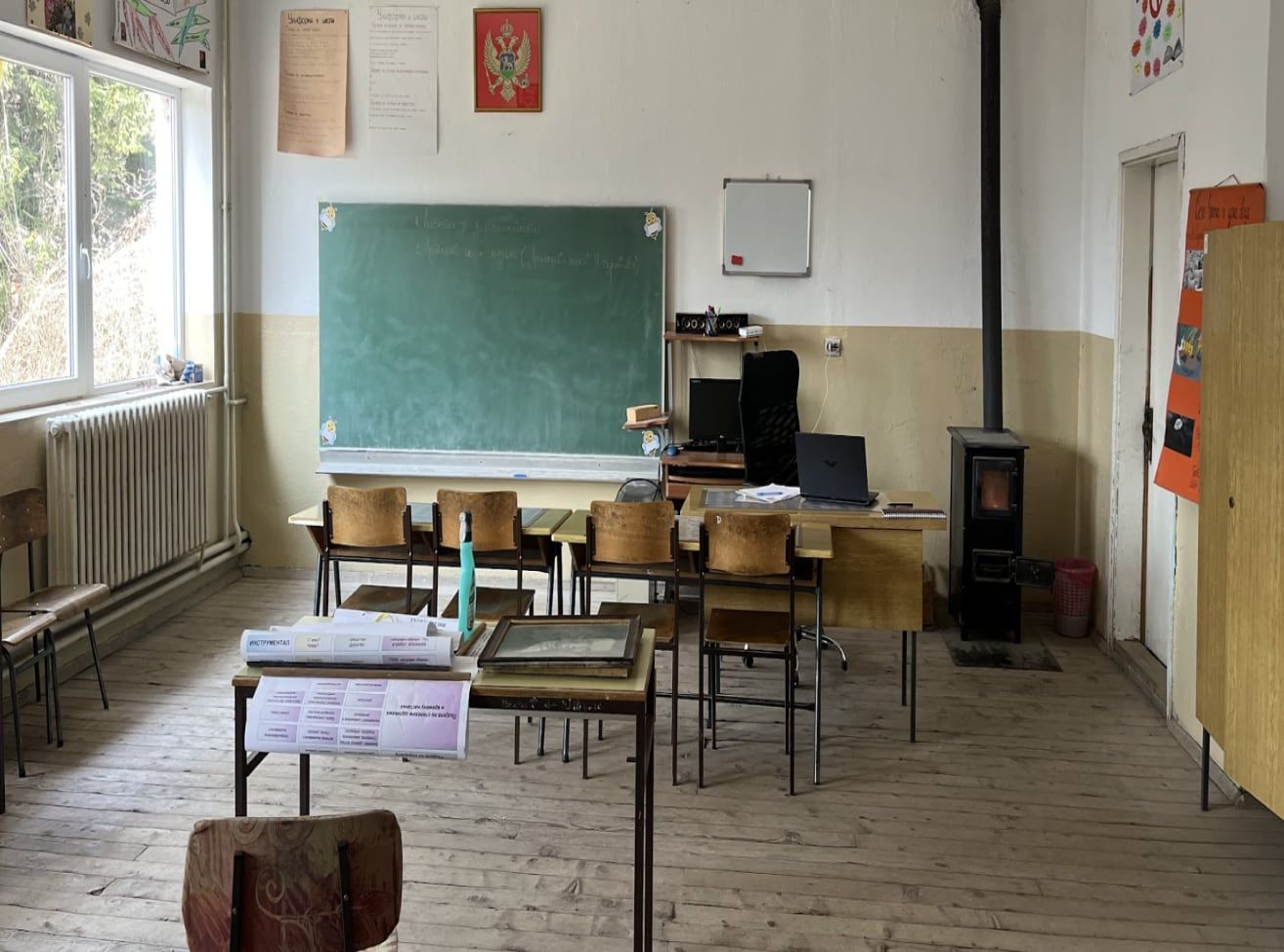
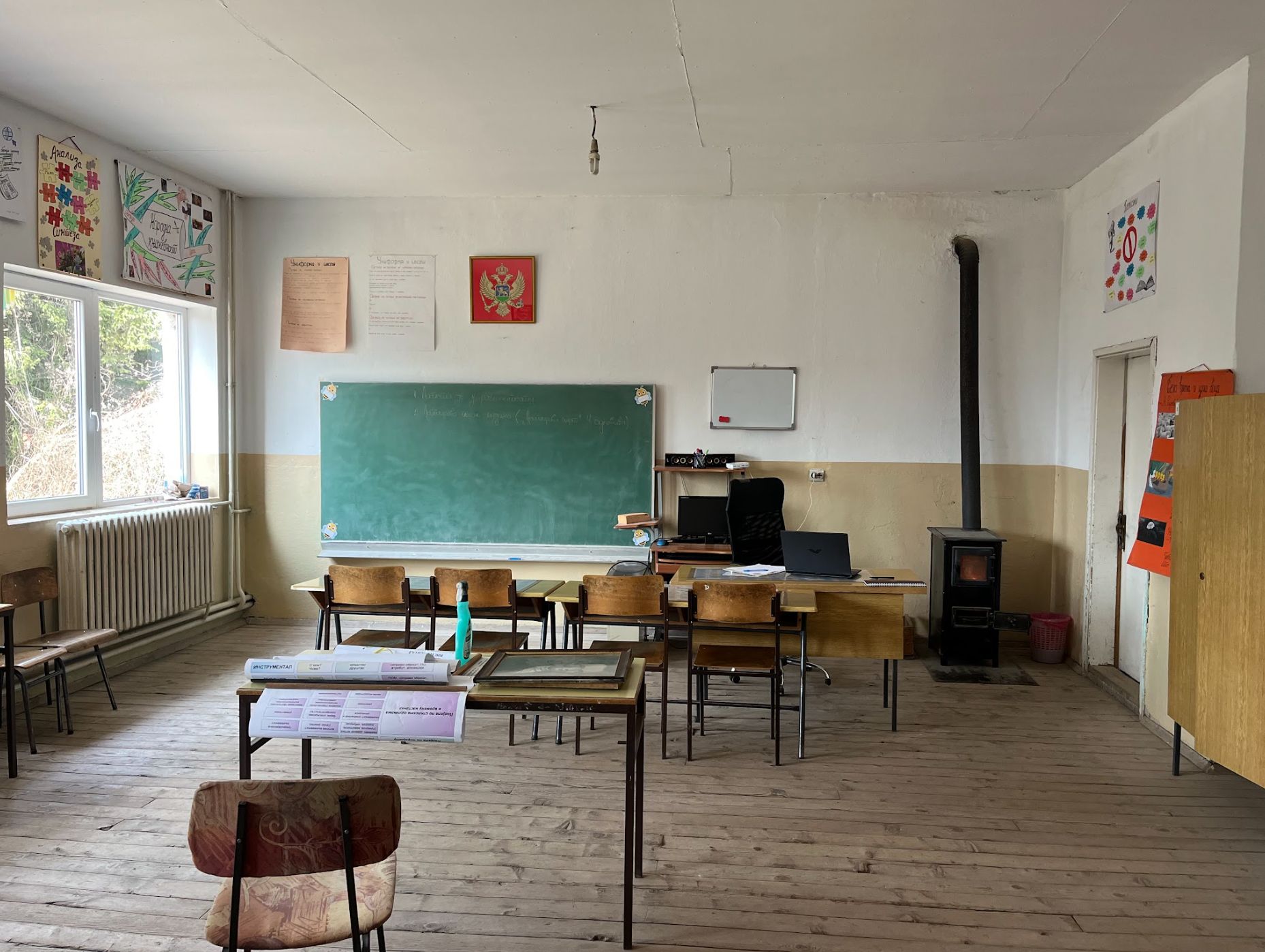
Clean air starts with understanding the building. BOOK's field team visit schools in person and assess the things that decide whether a programme works in practice: the number and area of classrooms, electrical installations, network coverage, windows and natural ventilation, and heating systems. Montenegro's schools vary a lot. Some buildings are old, some have thick walls that block wireless signals, and heating ranges from central heating to wood-burning stoves. Every assessment feeds back into the handbook and into the engineering team's device design.
- Installation
Monitors and Air Cleaners in Every Classroom
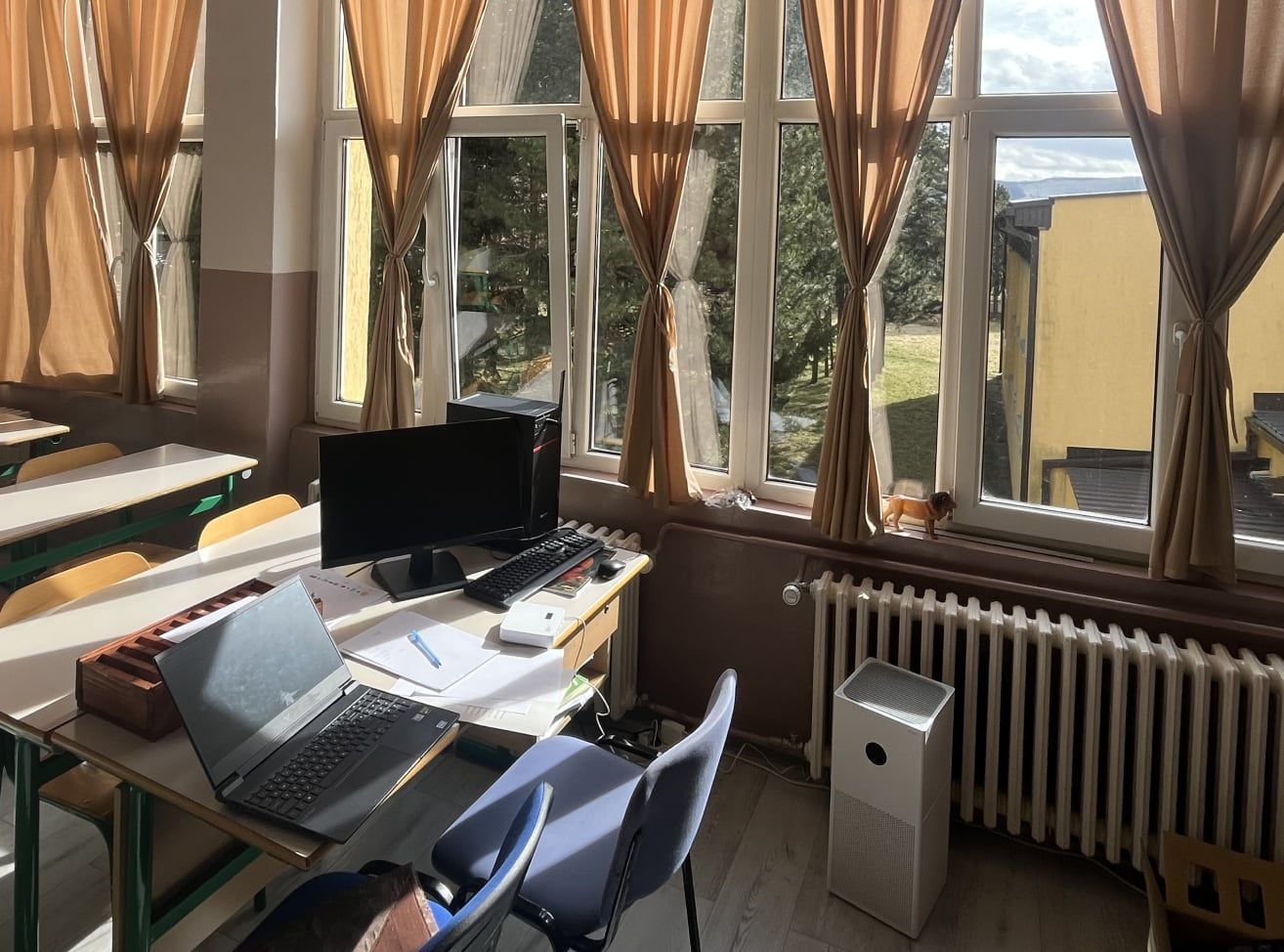
Once a school has been assessed, the devices go in. The monitors come first: each classroom gets an aira air-quality monitor, placed according to the assessment and to agreed measurement protocols, connected to the school's network and sending real-time data from the first day. Air cleaners follow where the data shows they are needed, with their number and type tailored to each classroom's area, ventilation, occupancy and the air-quality data collected so far. Every installation is documented, so the next one is easier.
- The Handbook
Growing With Every Workstream
The handbook is never finished. It is versioned and revised as the programme grows, with each version adding lessons from engineering, education, science, policy and communications. Mistakes and cost lessons are recorded alongside successes, because they are part of the blueprint too, and every section is written so that another country could follow it without our help.
From School to Home
Children breathe in more than one place. Alongside classrooms, aira extends monitoring into participating households, recruited through schools. Families receive a donated open-source monitor and contribute anonymised, continuous data. Connecting schools and homes in this way gives researchers a matched, child-level view of exposure, and gives policymakers evidence for healthier homes as well as healthier schools.
The Foundation
Built With Local and International Experts
The handbook is written by the people doing the work. Local contributors, aira engineers and international experts all contribute, including Aaron Collins, Mark Hernandez, Georgia Lagoudas and Lidia Morawska, so that what is learned in Montenegrin classrooms is reviewed against international experience before it becomes guidance for others.
Local contributors
aira engineers
International expert review
One method, town by town
Where we're headed
From field notes to a national handbook
First schools, Pljevlja
Every assessment and installation documented from the first schools onward, so the next one is easier.
A national knowledge base
A growing knowledge base on indoor air in schools - infrastructure, devices, education, science and policy.
The final handbook, 2032
Published at the end of the programme alongside the closing scientific findings: a proven, openly shared model other countries can adapt.


Community-driven by design, evidence-based in practice, and structured for any country to replicate.
And a community to carry it - proven first in Pljevlja, documented in a handbook any country can adopt.